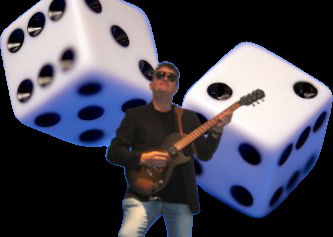
Quite some time ago in a place they still call France...
Born at 1:30am on March 24, 1963, in Fontainebleau, France, Craig Payne’s story begins far from the stages he would later command. The son of Alan and Mary Payne, Craig entered the world while his father was serving with the Royal Air Force, alongside allied forces following multiple tours in Middle Eastern conflict zones.
By the mid-1960s, the family had returned to the UK, living a transient life shaped by military service before eventually settling — briefly — in Sandwich, Kent. There, in 1972, they took over his grandfather’s fish and chip shop and lived in a 400-year-old Tudor house steeped in history and local legend, complete with tales of a resident nun’s ghost dating back to the time of the Reformation.
A new chapter began in 1974 when the family emigrated to New Zealand, settling in Kaiapoi — a stark contrast of open space, coastal air, and a more grounded way of life. It was here that the spark of music, long simmering beneath the surface, finally caught fire.
In 1975, a school teacher named Robin Ferris began offering lunchtime guitar lessons — a moment that would quietly change everything. Craig seized the opportunity, setting in motion a lifelong journey into music. That early spark was nurtured further by mentor Clarrie Light, who over the next eight years introduced him not just to guitar, but to bass, drums, and keyboards — laying the foundation for a multi-instrumentalist with a deep, instinctive understanding of sound and songwriting.
While the film ‘Ferry Cross The Mersey’ first lit the fuse, it was the unmistakable cool twang of Hank B. Marvin of The Shadows that truly shaped Craig’s musical identity — a sound that would echo through his playing for years to come.
From those early days in Kaiapoi classrooms to live gigs, television appearances, and larger stages through the 1990s, Craig Payne steadily built a career defined by versatility, authenticity, and persistence — evolving into a recording artist in the 2000s and continuing to push forward with new music today.
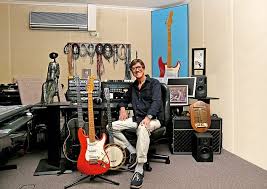 Hank B Marvin
It wasn’t long before Craig got his hands on his first electric guitar. The initial $50 Taiwanese Stratocaster copy left a lot to be desired, but it didn’t take long before he upgraded to something far more inspiring — an Italian-made EKO guitar, complete with a sparkly red finish and distinctive push-button tone controls lined along the top of the body.
By most standards it was still a modest instrument, but for Craig, it was a game-changer. That guitar may have long since disappeared, but for $80, it delivered exactly what mattered — character, curiosity, and the sound of a young musician finding his voice.
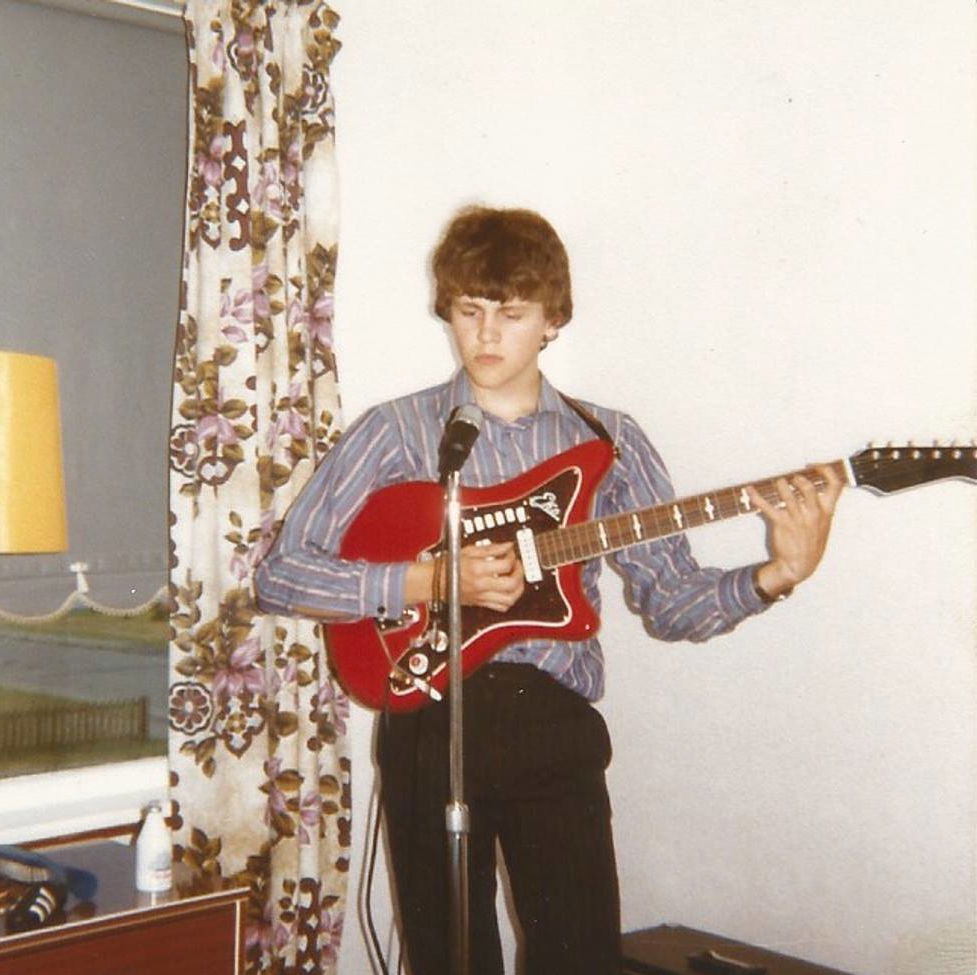 Craig aged 15 with the EKO and a $20 microphone all running through a $100 Alron amp... good times...
Craig’s musical DNA has been shaped by a wide spectrum of legendary artists. Early influences like Gerry Marsden and Hank B. Marvin laid the groundwork, while the songwriting brilliance of The Beatles — particularly Paul McCartney and John Lennon — left a lasting mark. Guitar greats including Eric Clapton, Mark Knopfler, Jeff Beck and Joe Walsh (particularly his slide work) further shaped Craig’s playing, alongside the genre-blending styles of Jeff Lynne, George Benson and Brian Setzer.
More recently, Brian Ray — known for his work as a multi-instrumentalist with Paul McCartney — has also been a notable influence. While the list runs deep, each artist has contributed to a sound that is now distinctly Craig Payne: an eclectic blend of styles that continues to evolve in his original music.
As his musical journey progressed, Craig’s skill set expanded well beyond guitar. A key figure during this time was Charlie Jemmett of CJ’s Music Store in Christchurch, whose support helped Craig access and learn drums, bass, and keyboards. With generous trade-ins and “sweet deals” always on the table, Craig was able to experiment freely — even swapping a drum kit for a guitar further down the track — experiences that proved invaluable in shaping his versatility as a musician.
By the 1980s, Craig was immersed in a thriving Christchurch live music scene. Gigs were regular, often at least once a week, with solid pay and strong audiences supporting live bands. It was a golden era of consistency and opportunity — one that would, however, begin to fade in the late ’90s as the rise of sports bars shifted the focus away from live music. With televisions competing for attention — and even betting shops appearing in venues — the dynamic changed dramatically. As Craig recalls, holding a crowd becomes a very different challenge when half the room is watching a horse race.
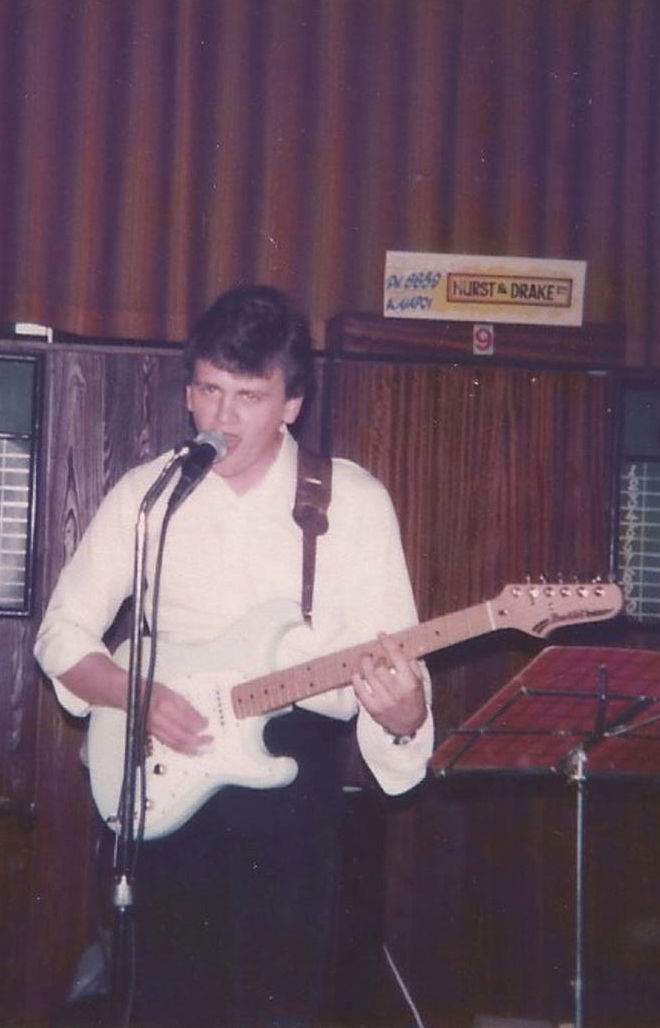 Craig aged 20 'live' in 1983 with an Ibanez Roadstar
By the mid to late ’90s, the live scene was shifting again. Tribute shows began to take over, with performers dressing up as bands like ABBA and others, often relying heavily on emerging MIDI technology. While it opened new doors for some, the synthetic sound left a lot to be desired — guitars lacked bite, feeling more like stretched rubber bands than real instruments, and much of it came across as overly polished and artificial. Rather than follow the trend, Craig went in the opposite direction.
Drawing inspiration from the unmistakable sound and style of The Shadows, he set out to create something more authentic — a show built on real playing, real tone, and genuine musicianship. The result was ‘Exodus: Out of The Shadows’, a performance that paid homage to a classic era while staying true to the organic feel that had always driven his approach to music.
Reflecting on that period, Craig is candid about the challenges behind the scenes. “The Shadows show would have been great if supposed ‘friends’ hadn’t destroyed it with their own agendas. I learned a lot about human nature — disappointing at the time, but it’s made me much wiser,” he said in a recent interview.
Despite that, the show itself was a clear success. The debut performance sold out, drawing a crowd of around 800 people, with several more shows following — each building on that momentum. It also gave Craig the platform to introduce original guitar instrumentals into the set, alongside the release of his first single, distributed on cassette through local record stores. It marked a turning point — from that moment on, Craig stepped away from covers bands entirely.
The early 2000s brought a new wave of opportunity, not just for Craig but for independent musicians worldwide. The rise of digital music and increasingly affordable, high-quality recording software broke down barriers that had once made producing an album financially out of reach.
Between 2007 and 2009, Craig recorded several albums — largely cover-based projects, but with original material beginning to find its place in the mix. Around this time, he also secured a deal with MPL Communications, the publishing company founded by Paul McCartney, for pre-licensed original tracks.
Looking back, Craig remains pragmatic about the experience. “It seemed like a good opportunity at the time, but the tracks just weren’t good enough — mostly twangy guitar instrumentals and not really fit for purpose,” he reflected in a 2020 interview.
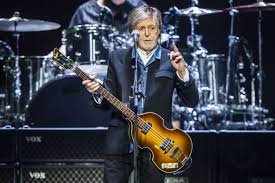
Sir Paul... still a big favourite and influence of Craig's...
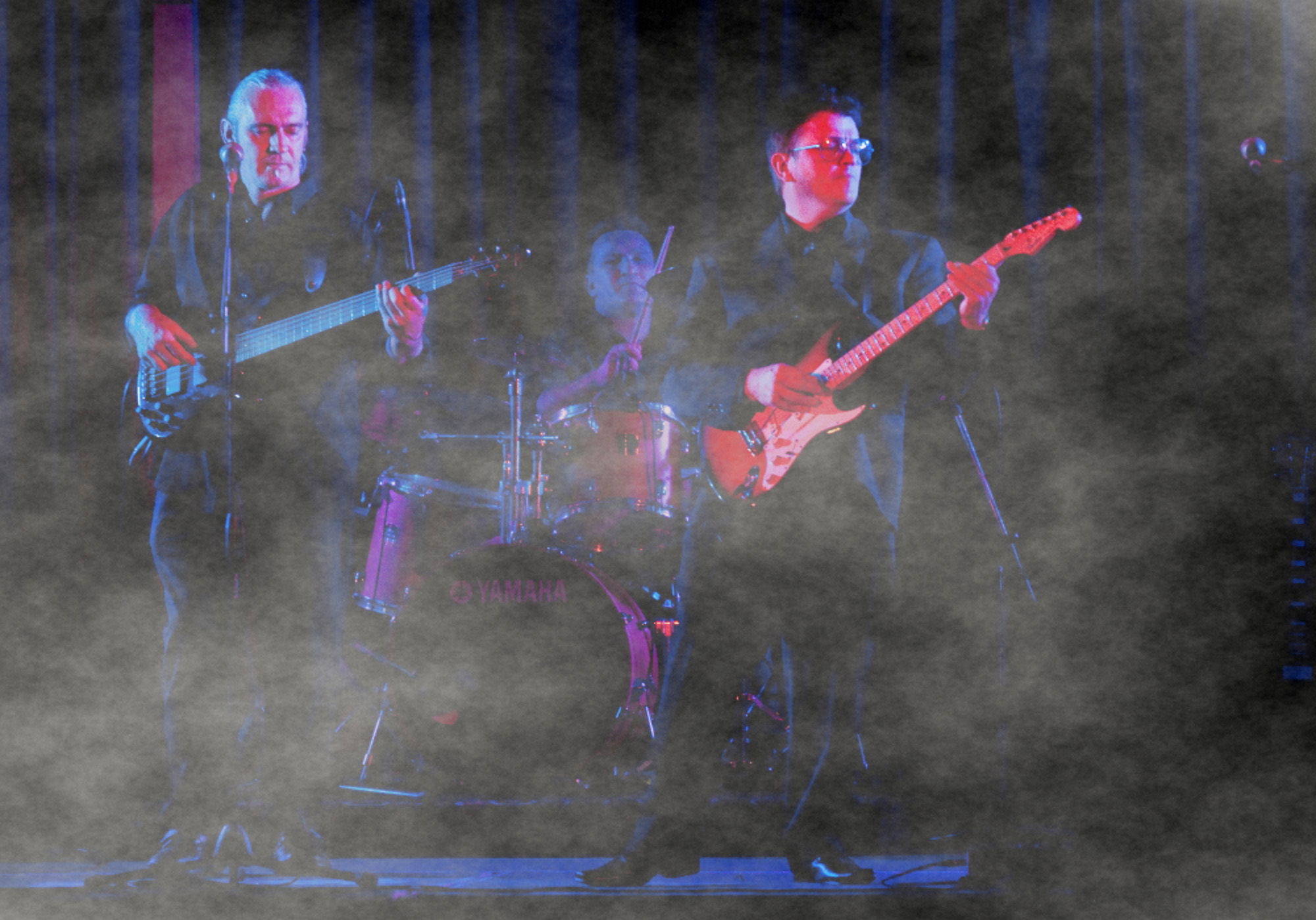 Craig 'Live' in October 2009
Craig’s final live performance came in October 2009 — a show that brought together instrumental classics from earlier releases such as Craig Plays The Shadows and Craig Plays McCartney, alongside a growing catalogue of original material. Original CDs sold strongly on the night, but behind the scenes, it was clear that a major turning point was approaching.
As the music industry continued to shift and publishing models evolved, ongoing issues — including an agent whose fees seemed to climb month by month — made the path forward increasingly unsustainable. In 2013, Craig made a decisive move: he parted ways with his agent and removed his entire catalogue from release, a bold reset made possible by the flexibility of the digital era.
Re-emerging under the name Dizzy Height — a nod to one of his bands from the ’90s — Craig released a new vocal-driven album. But the change didn’t land as intended. After several years of reflection, it became clear that another reset was needed — this time with a sharper sense of identity and direction.
By 2018, Craig returned under his own name, focusing fully on original vocal material. It marked the beginning of a genuine rebuild — one driven by experience, resilience, and a clearer artistic vision. The new releases began to attract strong independent reviews, signaling that the reset was working.
The 2019 album Making History stood as the year’s defining release — well received and critically solid — but it arrived during a deeply challenging period in Craig’s personal life. His father’s rapidly declining health placed him in the role of primary decision-maker, navigating palliative care while also supporting his mother through an increasingly difficult time.
On January 2, 2020, his father Alan passed away. What followed was nearly a year consumed by responsibility — managing the estate, selling the family home, and relocating his mother closer to family in Christchurch. The weight of it all left little room for creativity.
Reflecting on that time, Craig is direct: “I had to do it all on my own. I have an estranged brother who, over the years, treated my parents — and me — poorly. I tried to offer an olive branch, but in the end it was easier to move forward and focus on helping my mother through it.”
Breaking that cycle became essential — and the way forward was clear: return to the roots of what started it all.
That spark was reignited while restoring a long-held piece of personal history — the Cimar acoustic guitar he first owned at age 15. It was on that instrument that Craig had written some of his earliest material, and in bringing it back to life, he found himself doing the same — writing with renewed clarity, purpose, and connection.
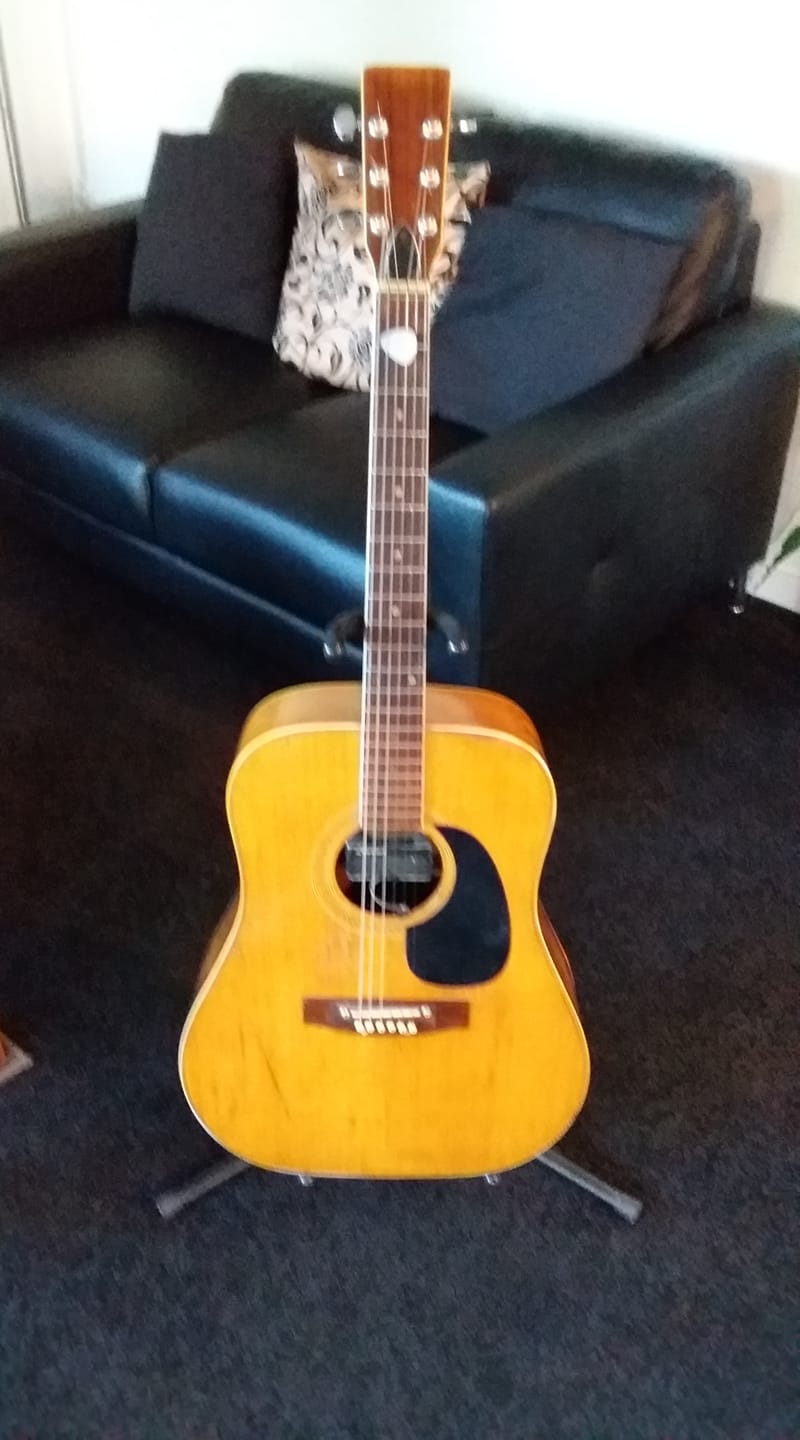 Restored back into working order the Cimar acoustic
With what Craig refers to as “the old team” — his trusted collection of guitars — back in action, the foundations were laid for a new chapter in 2021. Reconnected with the instruments that had shaped his earliest ideas, he found no shortage of inspiration, opening the door to fresh musical directions and unexplored creative territory.
As the world shifted under the weight of COVID-19, so too did the landscape of music. For Craig, it wasn’t just about making another album — it was about rethinking the entire process. “COVID-19 has changed the world forever, as well as the music world. It’s not just about a ‘new album’… it’s about an entirely new way of working, while appreciating what really matters,” he reflected toward the end of 2020.
Adversity brought both challenge and opportunity — and Craig met it head-on with renewed determination. Expanding his creative approach and drawing from decades of experience, he began shaping a body of work that signals not just a continuation, but a redefinition.
The next chapter isn’t about looking back — it’s about moving forward with purpose. And with a revitalized sound, a clearer vision, and an unshakable drive, Craig Payne continues to push into new territory — building toward music that reflects exactly who he is, and where he’s going.
2021 marked a major milestone with the release of A Long Time Coming — an album that decisively raised the bar, leaving earlier work behind and delivering ten strong, original tracks with a clear, commercial edge. It was a statement of intent and a sign that Craig had firmly entered a new phase of his career.
Momentum continued into 2022 with the follow-up release, Rockin’ On A Level Surface. Building on the success of its predecessor, the album performed strongly and became a catalyst for the wave of material that followed — further cementing Craig’s direction as a songwriter and recording artist.
While Craig Payne Music is proudly based in New Zealand, the wider operation is truly international. Labels, distributors, publishers, and key stakeholders are primarily located across Europe and the United States — a global network that runs seamlessly in the modern, digital era, ensuring his music reaches a broad and diverse audience without the limitations of geography.
As Craig recently noted, “It’s nice to live at a distance from the music business. With most labels operating online these days, it’s both practical and healthy to have a degree or two of separation.”
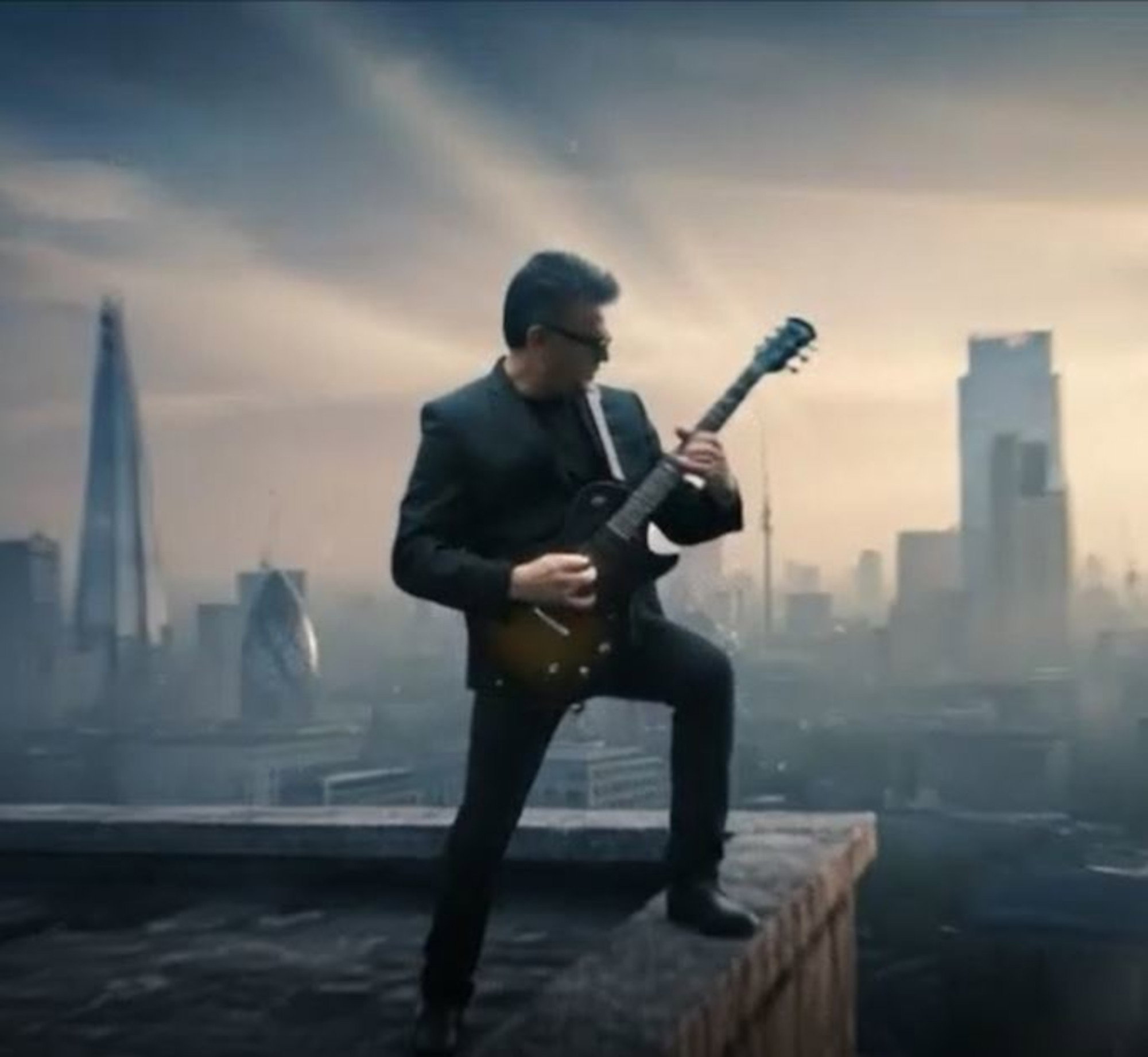 Craig in 2026 during the 'Moving & Shaking' video shoot...
Craig’s journey continues to gather momentum with the release of his 2026 album Moving & Shaking, which dropped on February 27. The album was supported by three singles and a series of high-quality HD music videos, further expanding both his sound and visual presence.
Following five years of experimentation, refinement, and creative exploration, Craig Payne has re-emerged with renewed intensity — fully committed to pushing each new release beyond the last. Taking a more deliberate approach, he now spends extended time in both writing and recording, ensuring every track meets a higher standard and reflects his evolving artistry.
Today, Craig’s music stands as a culmination of decades of experience, influence, and resilience — a body of work that continues to grow, adapt, and connect.
To follow Craig’s ongoing journey, stay connected via social media for the latest releases, updates, and behind-the-scenes insight.
With the next chapter still unwritten, one thing remains certain — Craig Payne is far from finished, and the road ahead promises even more to come.
Craig's 'Song In My Pocket' single cover 2026
Craig Payne Music 2026 ©